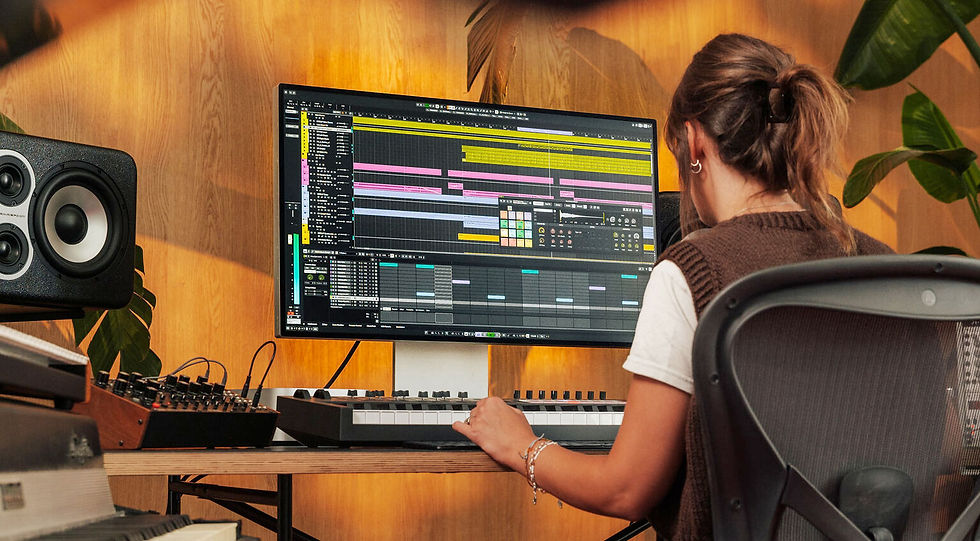
Your Guide to Starting Music Production Basics
Music production is an exciting journey that blends creativity with technology. Whether you want to create beats for your own tracks, produce music for others, or simply explore a new hobby, understanding the fundamentals is essential. I’ve been through the process myself, and I want to share a clear, practical guide to help you get started confidently.
Understanding Music Production Basics
Before diving into gear and software, it’s important to grasp what music production really involves. At its core, music production is the process of creating, recording, arranging, and refining music tracks. It combines artistic expression with technical skills.
Here’s a quick breakdown of the key elements:
Composition: Writing melodies, chords, and rhythms.
Sound Design: Crafting unique sounds using synthesizers or samples.
Recording: Capturing vocals or live instruments.
Mixing: Balancing and enhancing individual tracks.
Mastering: Finalizing the track for distribution.
Each step requires different tools and techniques, but you don’t need to master everything at once. Start small and build your skills gradually.

Essential Gear and Software for Beginners
Getting the right equipment can feel overwhelming, but you don’t need to spend a fortune to begin. Here’s what I recommend for anyone starting out:
Computer: A reliable laptop or desktop with decent processing power. Most modern computers can handle basic music production.
Digital Audio Workstation (DAW): This is the software where you create and arrange your music. Popular beginner-friendly DAWs include Ableton Live Intro, FL Studio, Logic Pro X and Cubase Pro.
Audio Interface: If you plan to record vocals or instruments, an audio interface connects your gear to your computer.
MIDI Controller: A keyboard or pad controller helps you play melodies and beats more naturally.
Headphones or Studio Monitors: Good sound quality is crucial for mixing and producing.
Start with the essentials and upgrade as you grow. Many producers begin with just a laptop and free or affordable software.
Is 30 Too Old to Start Producing Music?
Absolutely not. Age is just a number when it comes to creativity and learning new skills. I’ve met many people who started producing music well into their 30s, 40s, and beyond. The key is passion and dedication.
Starting at 30 or later can even be an advantage. You bring life experience, discipline, and often more financial stability to invest in your craft. Plus, music production is flexible - you can learn at your own pace, fitting it around your work and family life.
Remember, many successful producers began their journeys later than you might think. The music industry values originality and skill, not age.
How to Learn Music Production Effectively
Learning music production can feel like a mountain to climb, but breaking it down into manageable steps helps. Here’s a roadmap I’ve found useful:
Start with Tutorials: Online videos and courses offer step-by-step guidance. Focus on your chosen DAW and basic music theory.
Practice Regularly: Set aside time each day or week to experiment. Consistency beats intensity.
Analyze Songs You Love: Listen critically to tracks and try to recreate elements. This builds your ear and technical skills.
Join Communities: Forums, social media groups, and local meetups provide support and feedback.
Experiment Freely: Don’t be afraid to try new sounds and techniques. Mistakes are part of learning.
If you want a structured approach, consider professional training that offers hands-on experience. This can accelerate your progress and connect you with mentors.

Tips for Staying Motivated and Creative
Music production is rewarding but can also be challenging. Here are some tips to keep your momentum going:
Set Small Goals: Finish a beat, learn a new effect, or complete a short track.
Create a Dedicated Space: Even a small corner with your gear helps focus your energy.
Collaborate: Working with others sparks new ideas and keeps things fresh.
Take Breaks: Step away when stuck to return with fresh ears.
Celebrate Progress: Share your work and acknowledge improvements.
Remember, every producer started somewhere. The key is to enjoy the process and keep pushing your boundaries.
Your Next Step in Music Production
If you’re serious about getting started in music production, take the plunge today. Begin with the basics, invest in some essential gear, and commit to learning regularly. The world of music production is vast and full of opportunities for those willing to explore.
With patience and passion, you can develop the skills to create music that moves people. Whether it’s for personal enjoyment, DJing, or professional projects, your journey starts now.
Keep experimenting, stay curious, and most importantly - have fun making music!